Beverly Hills Beyond the Boulevard: Hidden Streets, Local Secrets, and Why Residents Never Want to Leave
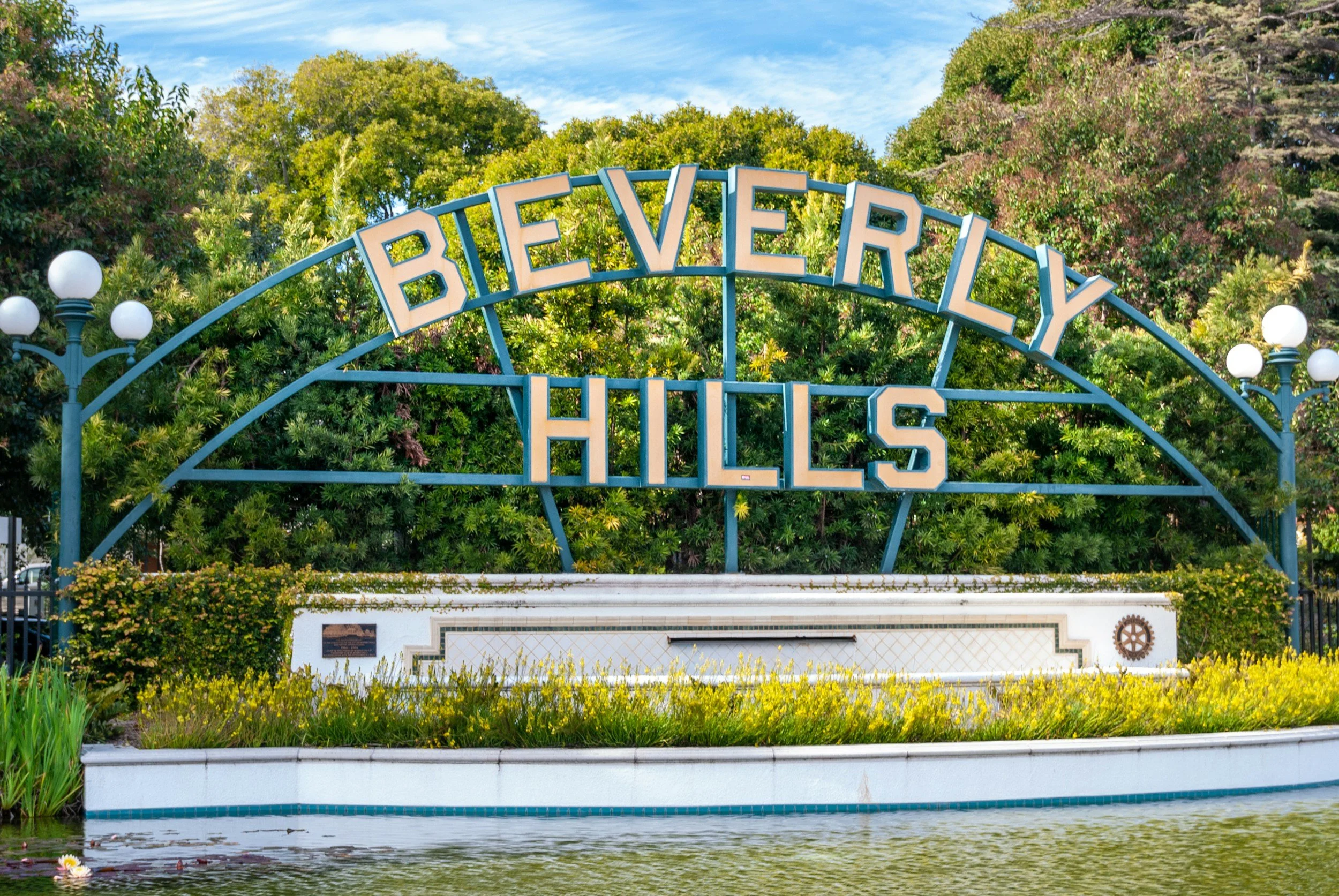
Walk far enough from the commercial corridors and Beverly Hills becomes something else entirely.
The shops and hotels — the ones that define the neighborhood in every travel feature and social post — are real, and they're beautiful. But they're not where Beverly Hills lives. The neighborhood's truest character is found several blocks away, on the residential lanes that feel almost purposefully forgotten: quiet, canopied streets where the morning light filters through mature oak trees and the only sounds are birds and the occasional gardener.
These are the streets where longtime residents take their morning walks. Where neighbors know each other's names. Where the architecture tells stories of another era — Spanish Colonial Revival entries, period ironwork, courtyard fountains that have been quietly working for decades.
This is Beverly Hills as it actually lives. And for buyers seeking privacy, permanence, and the kind of neighborhood rhythm that can't be manufactured, it remains one of the most compelling places in Los Angeles.
What Most People Don't Know: Fun Facts That Actually Matter
Before diving into lifestyle and architecture, here are a few things about Beverly Hills that surprise even well-traveled buyers — and that have a direct impact on why real estate here holds its value the way it does.
Beverly Hills started as a lima bean farm. Before it became one of the most famous cities in the world, this land was primarily agricultural. That farming past is part of why so many homes — particularly in the Beverly Hills Flats — sit on generously sized, flat lots compared to other parts of Los Angeles. The land was designed for growing things. It shows.
Beverly Hills is its own independent city. Unlike most Los Angeles neighborhoods, Beverly Hills operates with its own city government, police department, fire department, and services. This autonomy is not just a civic footnote — it's one of the primary reasons the neighborhood maintains such a high standard of maintenance, safety, and infrastructure. When residents call the police, they get the Beverly Hills Police Department: widely regarded as one of the most responsive and present local forces in the region. For high-profile residents and families alike, this matters.
Rodeo Drive is only a few blocks long. Despite its global fame, the famous stretch is remarkably compact. That intimacy is part of what makes it work — and part of what makes the surrounding residential blocks feel surprisingly removed from the tourist experience. Pretty Woman made it look like an entire world. In reality, it's a few perfect blocks — which, if you've seen the film, only makes the "Big mistake. Huge." scene more satisfying.
The city has multiple zip codes. The 90210 is the most famous, but Beverly Hills spans several zip codes, each with its own character, price range, and neighborhood identity. Understanding these micro-distinctions is one of the most useful things a buyer can do before exploring the market.
Beverly Hills invests heavily in public art. Throughout the city, curated art installations appear in unexpected places — plazas, parks, medians. It adds a layer of cultural intention to the streetscape that most cities simply don't bother with.
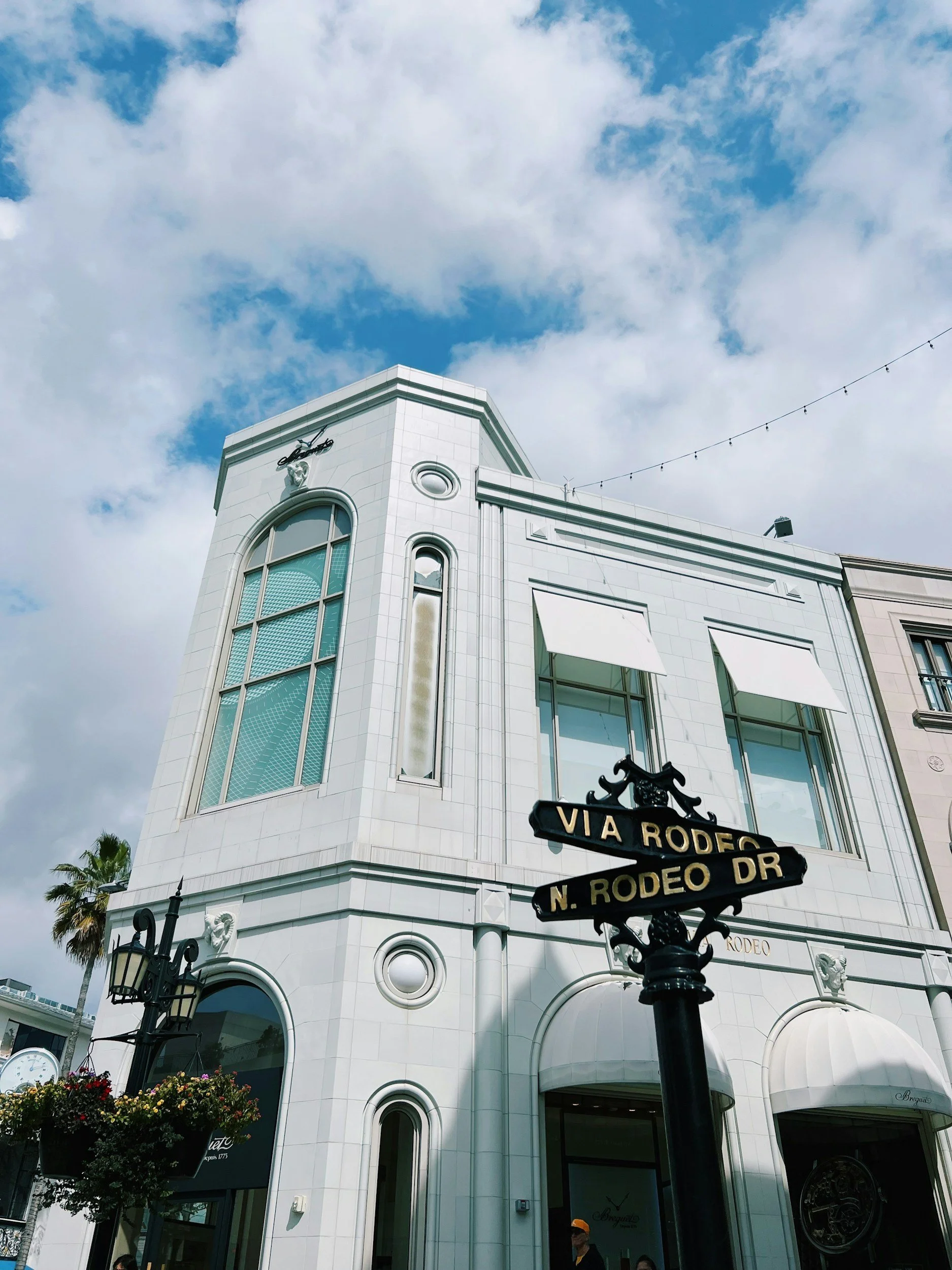
The iconic intersection of Via Rodeo and North Rodeo Drive, showcasing the architectural detail and world-class streetscapes that define the heart of Beverly Hills
The Village Nobody Talks About
Here's the thing about Beverly Hills that surprises almost every buyer who moves here: it functions like a small town.
Despite its international reputation, the day-to-day experience of living in Beverly Hills is remarkably local. Residents walk to their coffee shops. They have their dry cleaner, their florist, their independent pharmacy. Pioneer Hardware has been a neighborhood institution for decades. Nate's Deli draws regulars who've been going the same way for years.
This is not the Beverly Hills of the tourist map. It's a tight-knit residential community that happens to sit inside one of the world's most recognizable luxury addresses.
The parks are immaculate. The streets are tree-lined, clean, and intentionally maintained. The city places a genuine emphasis on health and wellness — luxury spas, state-of-the-art gyms, private clubs, and a fitness culture that permeates the neighborhood without feeling performative.
And the beach? Twenty minutes.
Century City, UCLA, and Cedars-Sinai are all a short, easy drive. Beverly Hills sits at a genuinely central point in the Westside grid — close to everything, insulated from the noise of most of it.
The Architecture: Character That Holds Its Value
Beverly Hills is one of the few neighborhoods in Los Angeles where architectural history is consistently preserved and consistently valued. This is not a neighborhood that routinely tears down its mid-century gems or covers its Spanish Colonial details in the name of renovation.
The result is an unusually cohesive architectural environment. Spanish Colonial Revival homes with their tiled rooflines and arched entries stand alongside period Mediterraneans, Georgians, and quietly dramatic Modernists. What unites them is craftsmanship: the sense that each home was built to last, and that the people living in it were expected to care.
For buyers, that architectural integrity is not sentimental — it's financial. Homes in neighborhoods with strong architectural character tend to hold value through market cycles in a way that more generic inventory does not.
Old Hollywood Details and Why They Still Matter
It lives in the details: the proportions of an arched entry, the depth of a covered loggia, the way a walled courtyard garden creates a transition between the street and the home that feels almost ceremonial. A home with old Hollywood bones communicates something that a new-construction equivalent, however well-appointed, simply cannot replicate: the sense that it has a history worth inheriting.
The Garden as Architecture
Many of Beverly Hills' properties have gardens that have been tended for decades — not manicured to the point of artificiality, but layered and lush in the way that only time produces. A garden with forty-year-old specimen trees and a sense of seasonal rhythm is a luxury that money alone cannot create. In Beverly Hills, that time has been spent, and the gardens reflect it.
Privacy, Security, and the Quiet That Comes With Both
For many residents — particularly those with public profiles — Beverly Hills offers something increasingly rare: a genuine sense of security without the feeling of being fortified.
Long, winding driveways. Lush mature landscaping. Gated entries that blend into the landscape rather than announcing themselves. And behind all of it, a highly responsive local police force that knows this neighborhood street by street.
The result is a quiet, discreet oasis — a place where you can live in one of the most recognized addresses in the world and still feel genuinely private at home. Buyers who have experienced life in New York penthouses or Hollywood Hills compounds often note that Beverly Hills residential streets feel calmer than either. The scale is human. The presence of neighbors is visible but not intrusive. The sense of safety is ambient, not theatrical.
Not all streets in Beverly Hills carry the same value — proximity to Rodeo Drive, flat versus hillside location, lot size, and views all shape price and lifestyle significantly. But the privacy and security that define the neighborhood are consistent across it.
The Dining Scene: From Legends to Month-Long Wait Lists
Beverly Hills has always had serious restaurants. What's changed in recent years is the kind of serious — less formal, more chef-driven, and in some cases nearly impossible to get into.
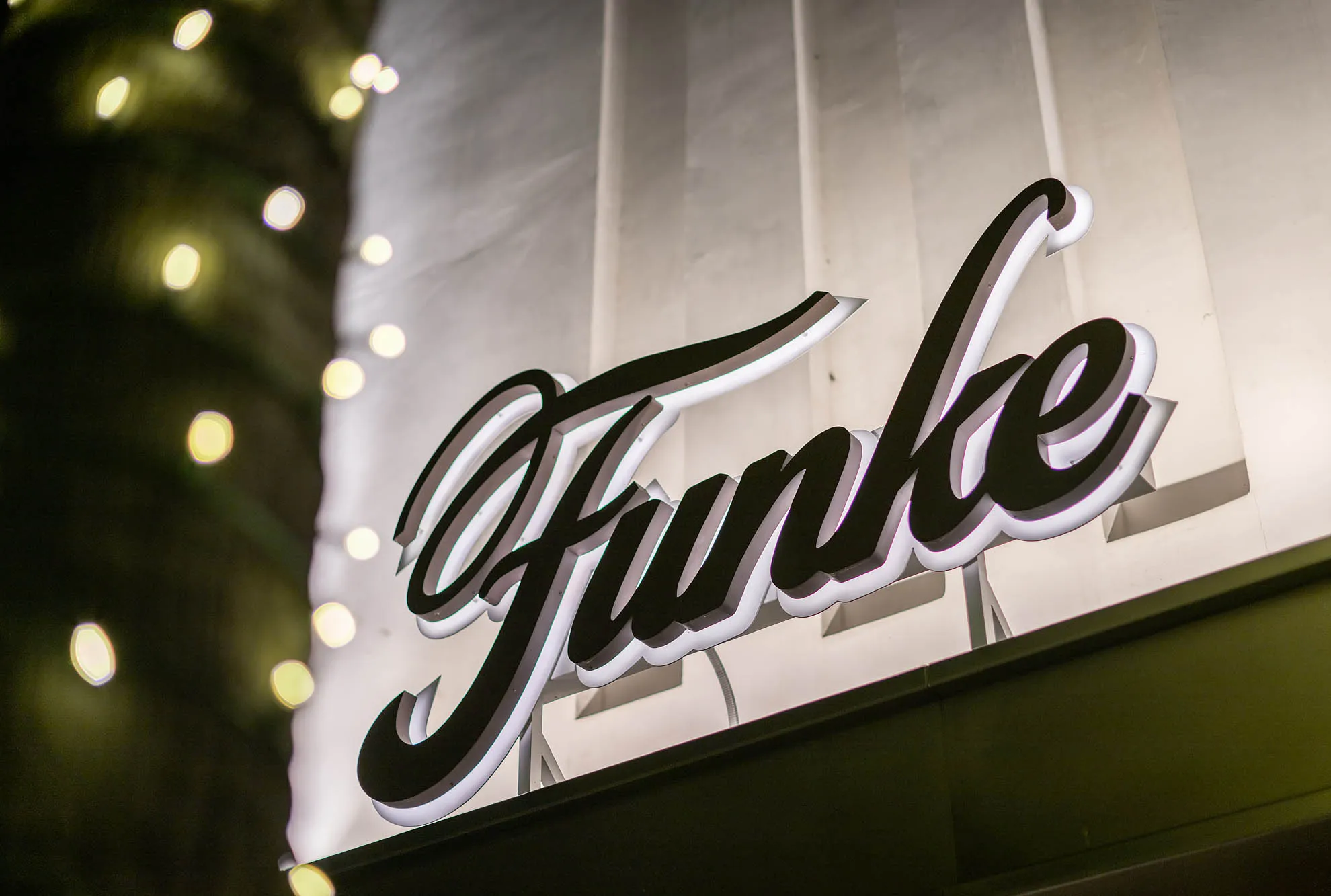
Funke —
currently the hardest reservation in Los Angeles, full stop. Chef Evan Funke's Beverly Hills flagship is a two-story Art Deco gem featuring a 20-foot pasta lab visible from the dining room, handcrafted pasta from lesser-explored Italian regions, and a rooftop bar that's walk-in only. Dining room tables release seven days in advance at 9am and disappear within minutes..
Spago — Wolfgang Puck's flagship has defined Beverly Hills dining since 1982. It remains one of the most consistently excellent restaurants in the city, and a reservation here still carries a certain weight.
CUT by Wolfgang Puck — housed in the Beverly Wilshire, A Four Seasons Hotel. The same hotel, incidentally, where a certain fictional millionaire once swept a woman in a red dress entirely off her feet. The film was Pretty Woman. The address is very much real — and the restaurant inside it is refined, precise, and reliably one of the best steakhouses in Los Angeles.
La Dolce Vita — a Beverly Hills institution since the 1960s. The Rat Pack used to wait for a table here. Some things don't change, and that's exactly the point.
Sushi Note Omakase — tucked inside an old hair salon in the Rodeo Collection parking garage, this is a neighborhood secret that locals guard. The best nigiri in Beverly Hills, served in an improbable but wonderful setting.
Marea Beverly Hills — the West Coast outpost of New York's celebrated Italian seafood restaurant. Housemade pasta, coastal flavors, and a room that always seems to be full of people who know exactly where they are.
A Day in the Life: What Beverly Hills Residents Actually Experience
One of the things I find myself saying to buyers considering Beverly Hills for the first time: come on a weekday morning. Not a Saturday, when the tourist version of the neighborhood is fully activated. Come when it's quiet, and walk the residential blocks.
Morning
The light through the oaks and jacarandas along the residential streets is different from West LA light — softer somehow, filtered through more canopy. Many residents start their days with walks through these streets, which function as an informal social infrastructure: neighbors intersecting on familiar routes, dogs recognized before owners.
Breakfast options range from the neighborhood spots on South Beverly Drive — tucked away from the main thoroughfares, full of locals with newspapers and no particular reason to hurry — to a quiet table at one of the hotel restaurants that operates on a different, unhurried frequency.
Afternoon and Evening
Beverly Hills' residential streets are quieter in the afternoon than almost anywhere else on the Westside. There's no through-traffic. The neighborhood is large enough to feel spacious but not so vast that it loses cohesion. Running errands has a different quality when your neighborhood has an independent pharmacy, a fine grocery, and a florist within walking distance.
The evenings belong to the dining scene — whether that means a standing reservation at a neighborhood staple or a lucky 9am Thursday morning when Funke's tables drop.
What Buyers Are Looking for in Beverly Hills Right Now
In the current market, the patterns I observe among buyers drawn to Beverly Hills are consistent:
Privacy above almost everything. Walled entries, setback distances, mature canopy — these features command premiums that have only grown.
Outdoor space with intention. Garden rooms, covered loggias, and courtyards that connect interior to exterior are deciding factors. The home as a complete world, where inside and outside are equally livable.
Architectural integrity. Buyers with options are choosing homes maintained with respect for their original character over those heavily remodeled in ways that obscure their provenance.
Proximity without noise. Access to everything the Westside offers — while retreating to genuine quiet at home. Beverly Hills delivers this consistently.
Wellness infrastructure. Proximity to Cedars-Sinai, world-class fitness clubs, and a health-forward neighborhood culture is increasingly important to the buyers most active in this market.
An Upcoming Opportunity: Beverly Hills, Coming Soon
With an upcoming listing in Beverly Hills, it felt like the perfect moment to write about this neighborhood — the side of it that doesn't make the tourist map.
The home carries the qualities described throughout this post — architectural character, mature landscaping, a sense of privacy that becomes clear the moment you enter. It will be introduced quietly, to a small number of people who've expressed interest, before any public announcement.
If you'd like to be among the first to hear the details, now is the time to reach out. Just hit reply on the newsletter or send a note directly — those conversations are happening privately.
If You're Considering Beverly Hills
Whether you're a long-term Westside resident considering a move, a buyer relocating to Los Angeles, or simply curious about what the neighborhood looks like at a deeper level — I'm glad to be a resource.
Beverly Hills rewards patience and local knowledge. Understanding which blocks, which architectural styles, and which micro-pockets carry the most enduring value is the kind of guidance that only comes from time spent working in this specific market.
I'd be glad to have that conversation.
With Linda Benaddi — Local Realtor